
Caslon set the sizes side by side and the line chooses for you
Set the letter at the size it is going to live in. If it is understood only when enlarged, it is not resolved. The specimen exists for that test.
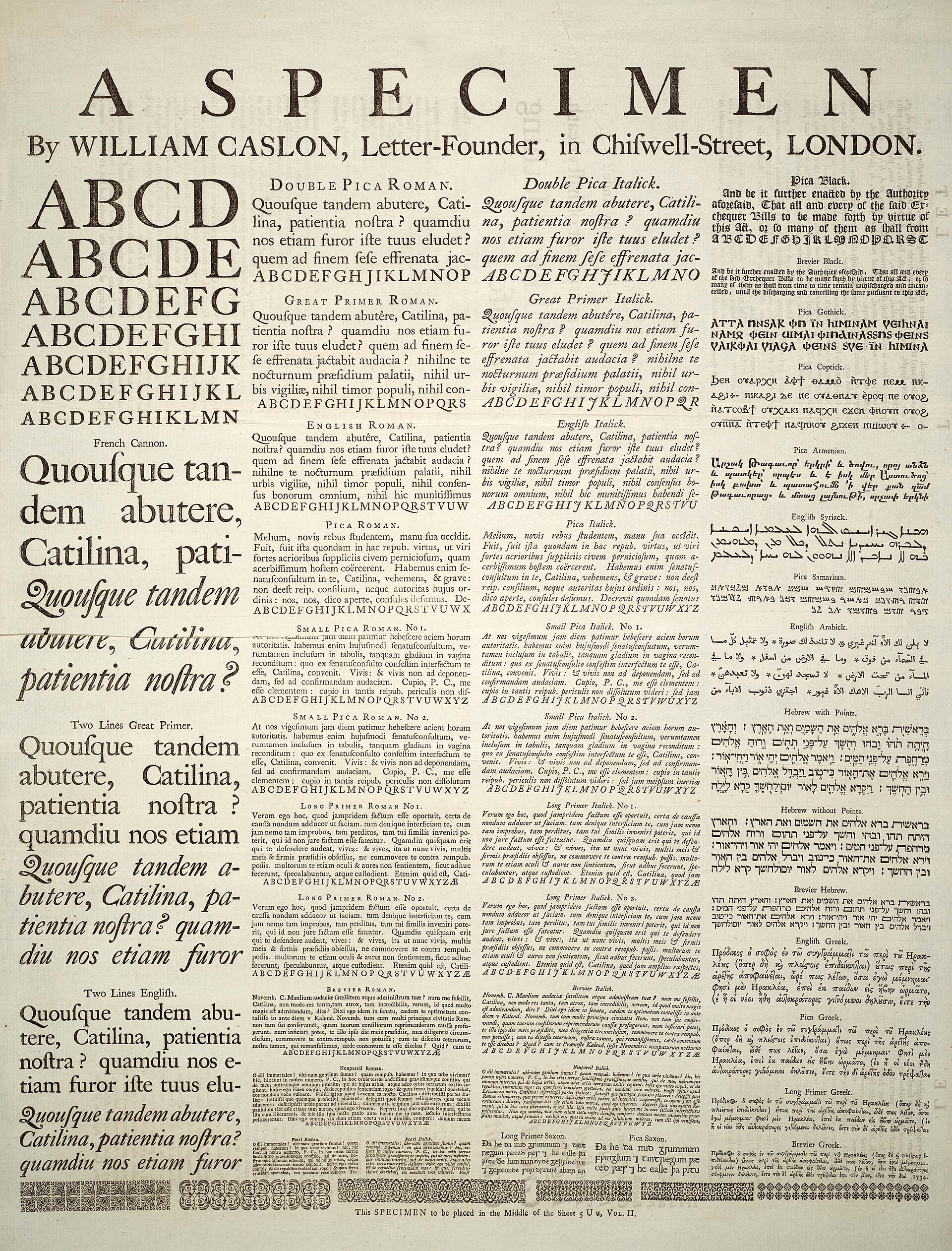
William Caslon set the letter in several sizes, one beside the other. It is not an ornament. It is a row for comparing.
You can run along the row without reading the whole text. The eye stays on the size that fits the line and lets the one that does not go by.
A letter is judged in use. A loose alphabet does not say whether the word holds. The line does.
Two jobs
The large size says the idea. The small size gives the fact. If both weigh the same, there is no way in.
You can change style when the function changes. An italic for emphasis and a roman for the account are enough.
A third style asks for a reason. If it comes in only to vary, the page fills up and the idea hides.
The same line, repeated in two sizes, teaches more than two different lines. You compare size, not subject.
On the line
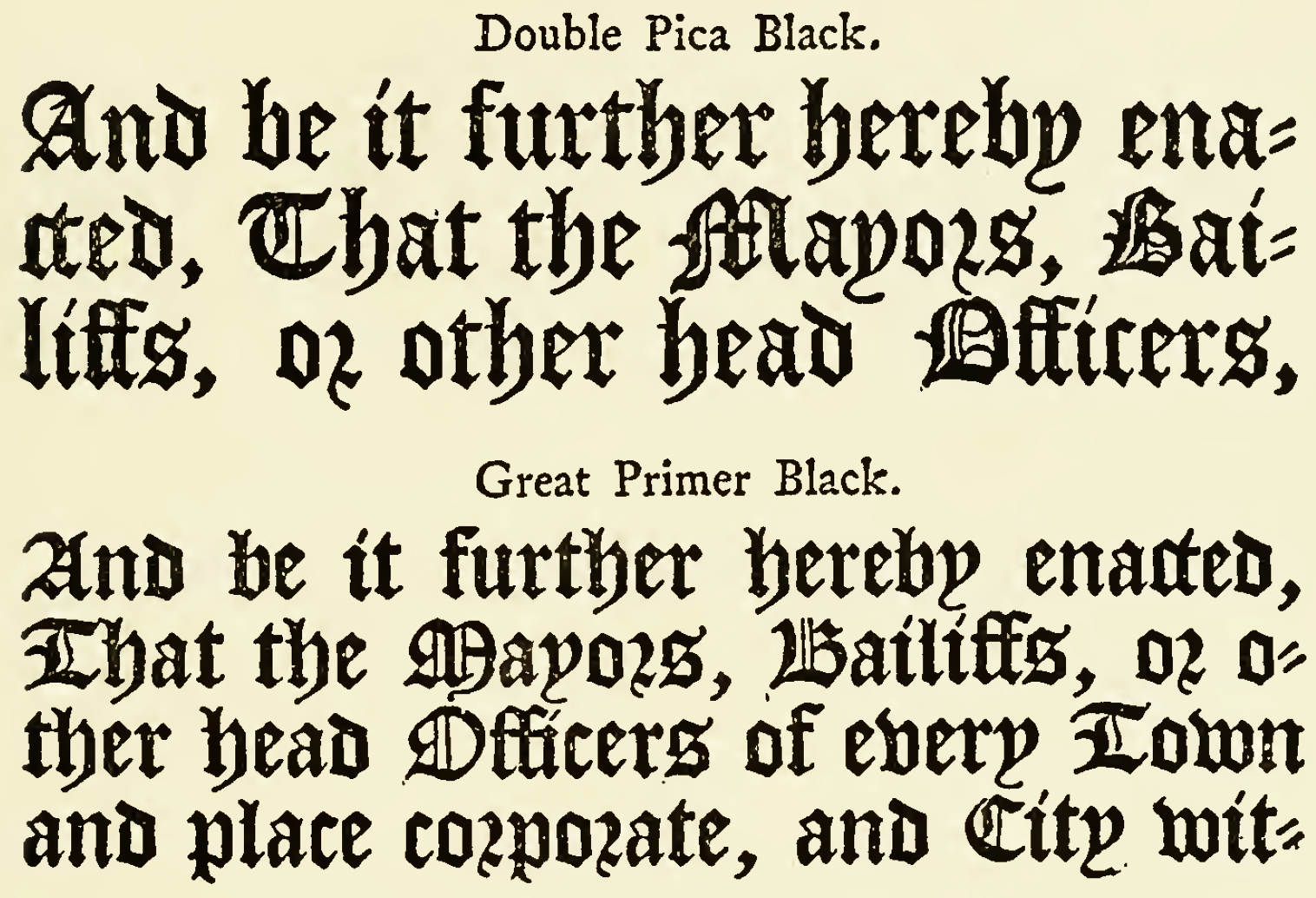
In the 1763 specimen the same line appears in two blacks. The large size is read first. The small one follows.
You can run that test with your text. Write it in the size it is going to be published in and read it standing, at the distance of the piece.
If at that distance the word breaks, the size does not fit. Forcing the letter down does not fix it. The line has to be cut.
You can keep that test. The size you chose, the line that fit and the one you had to cut. The next piece starts from there, not from a new size.
Caslon does not show the letter for you to admire it. He shows it so you measure the line with the eye, at the size it is going to remain.
If the small size is read only up close, do not use it for what has to be seen standing. Lower it to a note or raise it until it enters the look.
The specimen does not choose by taste. It lets you see which size enters the line and which stays out.
Share